
Understanding pain and the role of Osteopathy
Understanding pain science has been instrumental to the way we practise Osteopathy.
It has continued to structure the way we look at patients who come into our Melbourne clinic with ongoing back pain, neck pain, headaches, or an old shoulder injury that just doesn’t seem to be settling.
Pain is real, but it’s also complex.
It can be easy to think of pain as a simple equation: something is injured, therefore it hurts. And while our body’s tissues absolutely matter, pain isn’t always a direct reflection of what is happening inside them.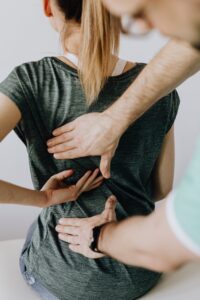
The nervous system plays a huge role too.
When pain has been around for a while, our nervous system can become more sensitised and protective. Things like poor sleep, stress, previous experiences with pain, our beliefs about an injury, how much and how regularly we are moving our bodies and what is happening in our lives ALL can influence how we experience pain.
This is where the Osteopath comes in.
Rather than looking only at the sore back, shoulder or knee, we try to understand the bigger picture.
How are you sleeping?
Are you under a lot of stress at the moment?
Have you stopped doin
g things you enjoy because you’re worried about making your pain worse?
What have you been told about your body?
And what do you think is happening when it hurts?
These questions are just as important as understanding where the pain is and what movements aggravate it.
None of this means that your pain is “all in your head”. Quite the opposite. It means that pain is influenced by much more than just the tissues themselves.
Consider someone who has had back pain for a few years. They may have started avoiding bending forward because they were told their back was “out of alignment”. They might now feel nervous lifting something from the floor, even though the movement itself is perfectly normal.
The body hasn’t necessarily become weaker or more damaged. It has simply becme more protective of the movement.
Helping someone understand this can be an important part of their recovery.
We use hands-on treatment to help settle symptoms, make movement feel easier and give someone a bit more confidence in their body.
But we’re not trying to “put something back into place” or find one structure that is responsible for all of your pain.
Instead, we often combine regular hands-on treatment with exercise and mobility-based movement goals.
Hands-on treatment can help settle things down and make it easier to move, while mobility work and exercise helps build strength, capacity and confidence over time. The two approaches work really well together.
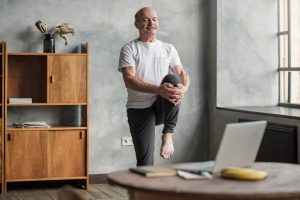
That might mean getting back to the gym routine, that familiar run around Princes park, long weekend cycle, playing footy on the weekend, getting active with their kids, or simply getting through a day at work without constantly thinking about that nagging pain.
Sometimes the goal is much simpler than that. It might just be being able to move without constantly worrying that every ache or twinge means something is wrong or getting worse.
For us, that’s the real goal of Osteopathy. Remove the obstruction and let the body do the work.
We want to help settle your symptoms, keep you moving and give you the confidence to gradually do more of the things you enjoy.
That might involve regular Osteopathic treatment alongside an exercise program, with the approach evolving as your symptoms and goals do.
As your body becomes more comfortable with movement and your capacity improves, we can gradually shift the focus towards helping you manage things more independently.
Recovery isn’t always about finding the one thing that needs fixing, sometimes it’s about
understanding your pain, finding the right balance of hands-on treatment and exercise, gradually building your capacity, and becoming more confident in your own body again.