
Thoracic spine mobility
The importance of thoracic spine mobility
The thoracic spine, or mid-back, consists of 12 vertebrae (T1–T12) that connect to the rib cage. It plays an important role in everyday movement, posture, breathing and overall spinal function.
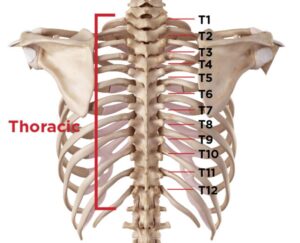
Unlike the neck and lower back, the thoracic spine is supported by the rib cage, making it naturally less mobile. However, maintaining good movement through this region is essential for healthy spinal and shoulder function.
Why Does Thoracic Mobility Matter?
Restricted movement through the mid-back can affect more than just your back. It may contribute to discomfort and compensatory movement patterns in other areas of the body.
Neck pain and stiffness
Limited thoracic extension can place additional demands on the neck, potentially contributing to forward head posture, muscle tension and increased cervical joint loading.
Shoulder pain and restriction
Your shoulder blades move across the rib cage during arm movements. Increased mid-back stiffness or rounding can interfere with normal shoulder blade movement, potentially contributing to shoulder restriction and discomfort.
Low back and hip pain
The thoracic spine is designed to contribute significantly to trunk rotation. When this movement is restricted, the lower back and pelvis may compensate, potentially increasing stress on the lumbar facet joints and surrounding pelvic girdle.
How Can You Check Your Thoracic Mobility?
Try the Thoracic Extension Test

- Sit upright on a chair with a backrest positioned around your mid-back (use a cushion or rolled up towel if the chair is hard).
- Place your hands behind your head and aim to touch your elbows together.
- Gently lean backwards over the chair, aiming to extend through your mid-back and open your elbows.
- Notice whether the movement feels smooth and comfortable or restricted.
Difficulty extending through the mid-back may indicate reduced thoracic mobility. This is a simple screening exercise, rather than a diagnosis.
What Causes Mid-Back Stiffness?
Increased thoracic kyphosis (rounding of the upper back) and restricted mobility can develop for several reasons, including:
- Prolonged sitting and desk-based work.
- Poor postural habits and reduced movement.
- Muscle tightness and soft tissue restrictions.
- Previous injuries or age-related spinal changes.
Some postural restrictions can improve with appropriate treatment and exercise, while structural changes may require a more tailored management approach.
How Can Osteopathy Help?
Osteopathic treatment can help address restricted thoracic movement through a combination of hands-on techniques and individualised exercise.
Depending on your presentation, treatment may include:
- Joint mobilisation and manipulation: To help improve thoracic and rib cage mobility.
- Soft tissue techniques: To address muscle tension and surrounding tissue restrictions.
- Targeted stretching: To improve thoracic extension and rotation.
- Strengthening exercises: To support posture, spinal function and long-term mobility.


Exercises such as thoracic extensions over a foam roller, cat-cow movements and rotational stretches can also help improve and maintain mobility.
Don’t Let Mid-Back Stiffness Hold You Back
Your thoracic spine plays a much bigger role in your movement and everyday comfort than you might realise. Addressing restrictions in this region may help improve how your neck, shoulders and lower back move and function.
If you’re experiencing persistent stiffness, restricted movement or discomfort, an osteopathic assessment can help identify contributing factors and develop a treatment plan suited to your needs.